
- The Growing Demand for Advanced Cosmetic Dentistry
- What Cosmetic Tooth Restoration Involves
- Breakthrough Materials and Dental Technology in 2026
- Minimally Invasive Techniques for Better Patient Outcomes
- Personalized Smile Design — The Future of Cosmetic Restoration
- Longevity and Maintenance Considerations
- The Future of Cosmetic Tooth Restoration
- Visit Eriks Dental Group for Professional Cosmetic Tooth Restoration
Cosmetic tooth restoration refers to treatments that improve the appearance, strength, and function of damaged or imperfect teeth. It benefits anyone dealing with discoloration, chips, gaps, worn enamel, or missing teeth, whether the goal is a subtle enhancement or a full smile transformation. Because these procedures require precision, advanced materials, and expert aesthetic judgment, patients are encouraged to seek care from an established dental facility with proven experience.
The Growing Demand for Advanced Cosmetic Dentistry
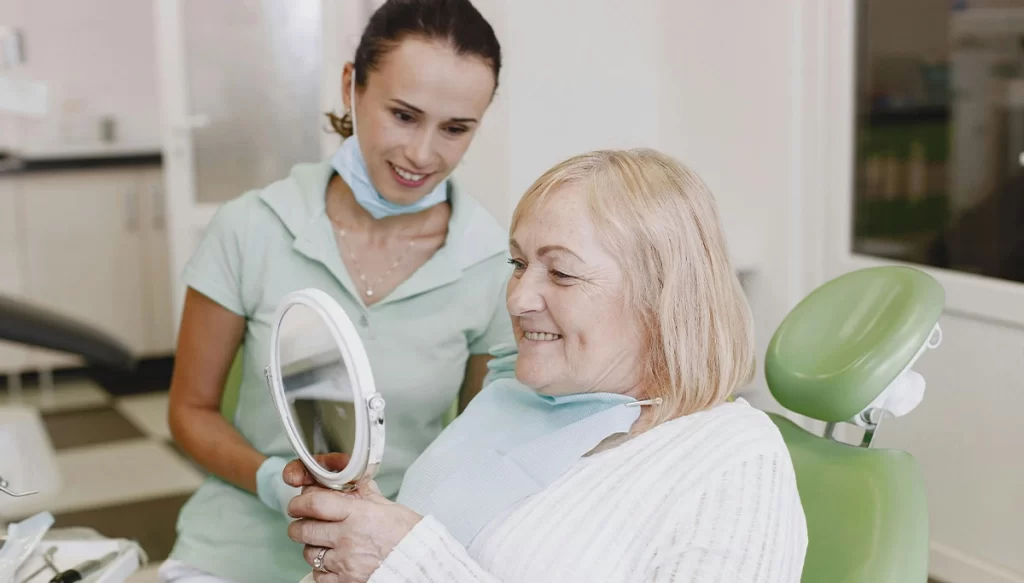
You see cosmetic tooth restoration everywhere now. Social media and image-focused culture push people to seek brighter, straighter smiles, and this has noticeably raised patient expectations. As a result, more people feel motivated to invest in treatments that improve both appearance and confidence.
New technologies are also fueling this growth. Tools like AI-driven design systems, digital scanners, and faster in-office fabrication make cosmetic tooth restoration more accessible than ever. These advances allow clinics to deliver customized results with greater accuracy and shorter treatment times.
Broader lifestyle and demographic changes play a role too. An aging population wants restorations that look natural, while younger adults view a good smile as part of personal branding. With rising awareness of oral health and its link to overall wellbeing, more people are choosing cosmetic restoration to enhance how they look and feel.
What Cosmetic Tooth Restoration Involves
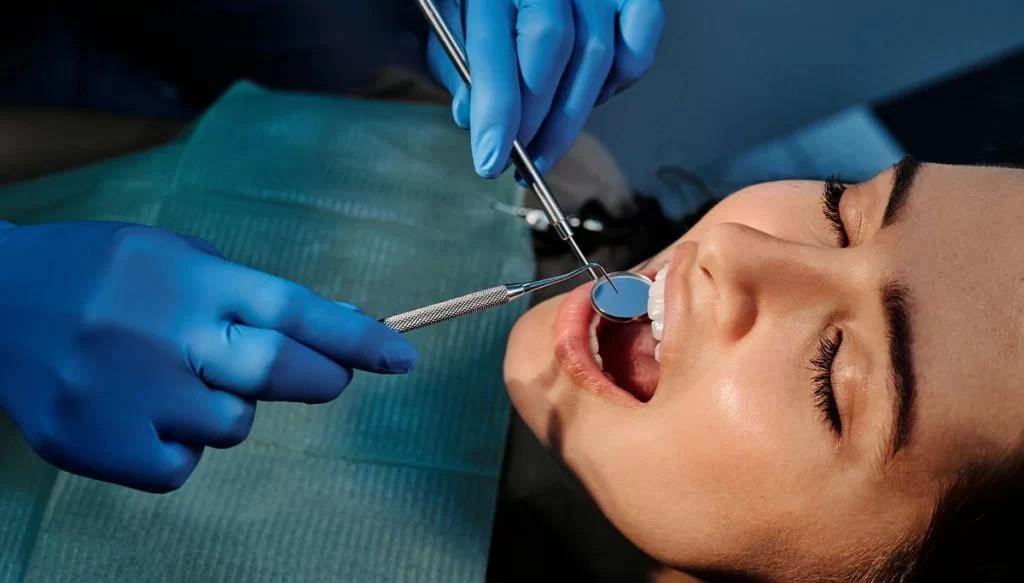
Cosmetic tooth restoration includes a range of treatments designed to improve the appearance, strength, and overall function of your teeth. Each cosmetic procedure serves a specific purpose, and understanding these options helps you make informed decisions about your smile.
Here are the most common cosmetic dental treatments:
- Veneers
- Bonding
- Dental Implants
- Crowns
- Invisalign
- Teeth whitening
- Reshaping (Contouring)
Breakthrough Materials and Dental Technology in 2026
Cosmetic tooth restoration is being revolutionized in 2026 by new materials and powerful digital technologies that make restorations stronger, more lifelike, and more biocompatible than ever.
1. Next-Generation Restorative Materials
- Highly Translucent Zirconia: Modern zirconia ceramics are now offered in multilayer discs that provide both excellent strength and natural-looking translucency.
- Resin-Matrix Ceramics (RMC): Recent research demonstrates resin-zirconia RMCs that blend the toughness of zirconia with the flexibility of resin, reducing stress on natural teeth and enhancing biocompatibility.
- Bioactive Glass Ceramics: These materials release ions such as calcium and phosphate that help mineralize tooth tissue or bone and can also integrate antimicrobial properties.
- Nanoceramic Composites: Nanotechnology has enabled composites with improved polishability, wear resistance, and strength that closely mimic natural enamel.
2. Digital Workflows and AI-Driven Design
- AI-Powered Smile Design: Artificial intelligence, combined with 3D facial scanning, helps dentists simulate and plan cosmetic restorations tailored to your facial structure, lip dynamics, and bite.
- Intraoral Digital Scanners: These replace traditional molds, giving accurate 3D images of your teeth and gums, which feed directly into CAD/CAM systems for precise planning.
- Chairside 3D Printing: Clinics are increasingly using compact 3D printers to produce crowns, bridges, and even permanent restorations on the same day.
- Multi-Material 3D Printing: Some printers now support combinations of ceramic, resin, and even metal-like composites, producing restorations that are strong, aesthetic, and optimized for different regions of the mouth.
3. Smart and Bioactive Innovations
- Antibacterial and Regenerative Agents: New materials for implants and restorations don’t just replace missing structure; they actively encourage tissue healing or fight bacterial colonization.
- Improved Adhesive Technologies: Modern universal adhesives are not only stronger but also bioactive, helping to remineralize dentin and form a more durable bond.
- Enhanced Strength through Microstructure Engineering: Advances in the microstructure of ceramics, like controlled grain size in zirconia, improve toughness without sacrificing natural aesthetics.
Minimally Invasive Techniques for Better Patient Outcomes
Cosmetic tooth restoration today is not just about dramatic overhauls; many of the most effective treatments are minimally invasive, preserving as much natural tooth structure as possible.
Here are some of the key techniques and how they benefit patients:
- Lumineers / Ultra-Thin Veneers: Lumineers are very thin porcelain shells that often require little to no enamel removal before bonding. Because less tooth structure is removed, the treatment is gentler and recovery is faster, yet the cosmetic impact is more significant.
- Tooth-Colored Bonding (Composite Resin): This uses a resin material that is sculpted onto your tooth to repair chips, close gaps, or reshape minor imperfections. The process is usually quick, painless, and reversible, making it a low-risk option.
- Gum Contouring: By gently reshaping gum tissue, dentists can improve the balance between gums and teeth, correcting gummy smiles and enhancing symmetry in a way that feels natural.
- Invisalign / Clear Aligners: These removable, nearly invisible trays straighten your teeth gradually without the need for metal brackets. Because they are removable, there is less risk to delicate dental work, and you maintain better oral hygiene during treatment.
- Micro-preparation Crowns and Minimal-Prep Restorations: Rather than aggressively shaving down the entire tooth, modern crown preparations are conservative, preserving more of the natural enamel and dentin. This helps reduce sensitivity and maintains strength.
Personalized Smile Design — The Future of Cosmetic Restoration
Personalized smile design is changing how cosmetic tooth restoration is approached. Using advanced digital imaging and facial scanning, dentists can now create a detailed map of your teeth, lips, and overall facial structure. This allows them to plan restorations that are not only functional but also harmonize with your natural features.
With personalized design, you can visualize the results before treatment begins. AI-assisted software and digital simulations provide realistic previews of how veneers, crowns, or whitening treatments will appear. This collaborative approach ensures your cosmetic tooth restoration reflects your unique preferences and enhances your confidence in your smile.
Longevity and Maintenance Considerations
The longevity of cosmetic tooth restoration depends on the materials used and the care taken afterward. Modern ceramics and composite resins are highly durable and resistant to wear, allowing your restorations to maintain their appearance for many years. Proper oral hygiene and regular dental visits further extend the lifespan of your treatments.
Maintenance also includes protecting your teeth from excessive forces and staining agents. Using nightguards for grinding, avoiding highly acidic foods, and following professional cleaning recommendations can preserve both aesthetics and function. By understanding these factors, you can enjoy a long-lasting, healthy, and attractive smile.
The Future of Cosmetic Tooth Restoration
The future of cosmetic dentistry points toward even greater personalization and integration with natural dental function. Developments in regenerative materials, bioactive ceramics, and AI-assisted planning promise restorations that not only look realistic but also interact positively with your oral tissues. Treatments will become less invasive, faster, and more predictable.
Technology will also improve accessibility and affordability for patients. 3D printing and digital workflows allow clinics to provide same-day solutions and tailor treatments to individual needs efficiently. As a result, dental restorations will continue to enhance both the appearance and health of smiles in ways that were not possible just a few years ago.
Visit Eriks Dental Group for Professional Cosmetic Tooth Restoration
Cosmetic tooth restoration is evolving rapidly, offering more durable, natural-looking, and personalized results than ever before. At Eriks Dental Group, you can access the latest technologies and expert techniques to achieve the smile you have always wanted. Our skilled dental team ensures every treatment is tailored to your unique needs while preserving your natural teeth. Contact us today at 561-733-4004 or visit our Boynton Beach dentist office to begin your journey toward a confident radiant smile.