
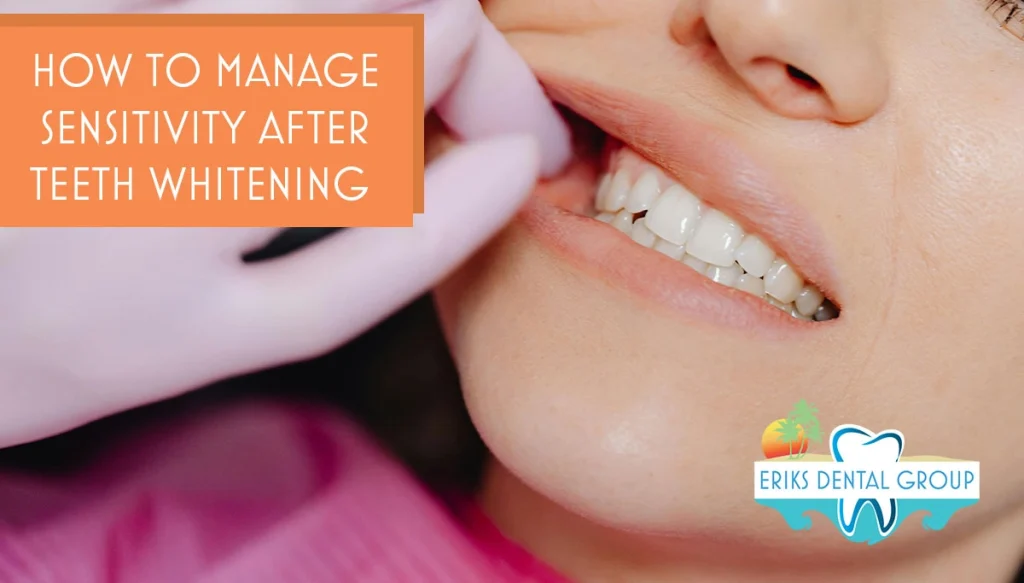
A brighter smile can feel like an instant refresh, so it is easy to see why professional teeth whitening has become so popular. However, if you feel a sudden sharp pain when you sip an iced drink or breathe in cool air after a whitening session, you are not alone. Post-whitening sensitivity is a common side effect, and while it usually only lasts for a few days, some people feel it is too uncomfortable to go through the process.
Luckily, the discomfort after a teeth whitening treatment is preventable and can be managed with the right treatment and steps. The key is to understand why it happens, protect your enamel during the window when teeth can be more reactive, and know when to call your dentist if something feels off. Below is a practical, dentist-aligned guide to help you stay comfortable while still enjoying a whiter smile.
Teeth Whitening Sensitivity: Why It Happens

Most whitening treatments use peroxide-based ingredients that move through the enamel on your teeth to break up stains. During this process, your enamel can become temporarily more porous, with liquids passing through it more easily. That can expose the dentin, the living tissue that makes up the bulk of your tooth beneath. Dentin contains tiny channels that communicate with the tooth’s nerves. When those channels are exposed, temperature changes, sweet foods, and even cold air can trigger sensitivity.
Some people are more prone to sensitivity. If your enamel is thin, you have gum recession, or you already experience sensitive teeth, you may feel a stronger effect. Whitening methods also matter. Higher-strength gels, longer sessions, frequent use of strips or trays, and generic trays that allow gel to touch gums can all increase the chance of irritation. Pre-existing dental issues such as cavities, micro cracks, gingivitis, or other gum issues can amplify sensitivity, so it’s a good idea to book a dentist appointment with your local dentist to check before having your whitening done.
What to do Before your Whitening Session

A little preparation can make a big difference.
Use a desensitizing toothpaste
Use a sensitivity toothpaste like Sensodyne® for two weeks before your whitening session, and continue for at least a week afterwards. Look for toothpastes that contain potassium nitrate or stannous fluoride, which help reduce pain signals and support enamel.
Consider fluoride support
A fluoride mouth rinse, or gel, can help strengthen enamel and reduce the risk of sensitivity. If you are prone to discomfort, ask your dentist whether an in-office fluoride treatment makes sense before or after teeth whitening.
Fix dental problems first
If you have tooth pain, gum bleeding, or known cavities, schedule an exam and a teeth cleaning. Whitening over active dental problems can lead to more discomfort and uneven results.
Choose gentler options if you are sensitive
If you are using an at-home product, select a lower peroxide level and a shorter wear time. Do not combine multiple whitening products in the same week unless a dentist specifically recommends it.
Ways to Manage Sensitivity After Whitening
Here are a few things that you can do to aid in any discomfort following a professional teeth whitening treatment.
1: Take extra care in the first 48 hours
The first two days are when teeth can be most reactive. Treat this as your recovery window.
2: Avoid extreme temperatures
Stick to room temperature foods and drinks. Hot coffee, icy water, frozen desserts, and steaming soups can trigger pain.
3: Skip acidic foods and drinks
Acids can irritate teeth when the enamel is temporarily more porous. For about 48 hours, limit citrus, fizzy drinks, tomato-based sauces, vinegar-heavy foods, and wine. If you do have something acidic, rinse with water afterwards.
4: Brush gently and use a soft-bristle toothbrush
Use lukewarm water, a soft brush, and a gentle circular motion. Aggressive brushing can irritate enamel and gums, especially when teeth are already tender.
5: Use desensitizing toothpaste and fluoride products strategically
Continue using your sensitive toothpaste and add a fluoride rinse if needed. You do not need to overload your routine. Consistency and gentle care are more effective than piling on strong products.
6: Try using a straw for drinks
If sipping is uncomfortable, a straw can reduce contact with front teeth and help you stay hydrated without discomfort.
7: Space out whitening sessions
Do not over-whiten. Give your teeth time to recover, and follow the dentist’s aftercare instructions or product advice.
What to do When Sensitivity is Severe or Not Improving
Most sensitivity fades within a few hours or days. If discomfort is intense, stop all whitening products and focus on care. Try warm saltwater rinses for soothing, and an over-the-counter desensitizing gel. A cold compress on the cheek may help if there is general soreness.
Contact your dentist if:
- Sensitivity lasts more than several days without improvement
- Pain worsens or becomes difficult to manage
- You notice swelling, sharp, persistent pain, or changes in your tooth color
- You think you may have a cavity, crack, or gum irritation
A dentist can apply fluoride, use protective varnish, address exposed root surfaces, or adjust your whitening plan with lower-strength gels or custom trays that reduce gum contact.
How to prevent sensitivity next time
If you want to whiten again without the sting, focus on prevention.
- Start using sensitive toothpaste before whitening and keep using it afterwards
- Choose shorter wear times and gentler formulas if you know you are sensitive
- Don’t stack multiple whitening products, unless recommended by a dentist who has worked on your teeth before
- Follow your dentist’s recommended intervals for touch-ups
- Prioritize oral health first, including regular cleanings and treating cavities
A whiter smile should not come with weeks of discomfort. With smart preparation, gentle aftercare, and the right product choices, you can manage sensitivity effectively and still enjoy lasting results.
Get Teeth Whitening Services with Eriks Dental Group
New year, new smile! If you want teeth whitening services but have concerns about pain and sensitivity, Eriks Dental Group will guide you to the best procedure for your needs. Book an appointment, and we can address any questions or concerns and take the next step to your brighter, whiter smile.