

When deciding whether dental crowns or fillings are the better option, a general dentist can evaluate your teeth and gums and guide you toward the most appropriate treatment. Understanding the difference between these two restorative dentistry treatments can help patients make informed decisions about their oral health.
At Eriks Dental, our dental team provides personalized recommendations based on each patient’s dental condition, long terms oral health, and smile goals.
What Are Fillings Best For?
Dental fillings are commonly used to restore teeth affected by small cavities, minor chips, or surface cracks. After the decayed portion of the tooth is removed, the area is thoroughly cleaned and filled with a tooth-colored composite resin designed to blend naturally with your teeth. Once sealed, the filling prevents bacteria from entering the tooth and causing further decay, allowing you to chew and bite normally.
Benefits of choosing a filling include:
- Treats tooth decay: resolves cavities and stops bacteria from spreading deeper into the tooth and gums.
- Improves natural function: allows you to chew and speak normally.
- Restores tooth structure: strengthens weak teeth.
Benefits of Dental Crowns

Dental crowns, whether porcelain or porcelain-fused-to-metal, are tooth-shaped caps that fit over an existing damaged tooth. They’re typically used when there’s severe tooth decay. They can also be used with bridges to fill gaps between teeth. They can be used to restore broken teeth and to protect weak teeth.
Common reasons dental crowns are used include:
- Covers existing damage or decay.
- Restoring normal bite and chewing function.
- Preventing further cracking or breakage.
- Improving the appearance of stained or misshapen teeth.
- Supporting and anchoring dental bridges.
When Should Dental Crowns Be Used?
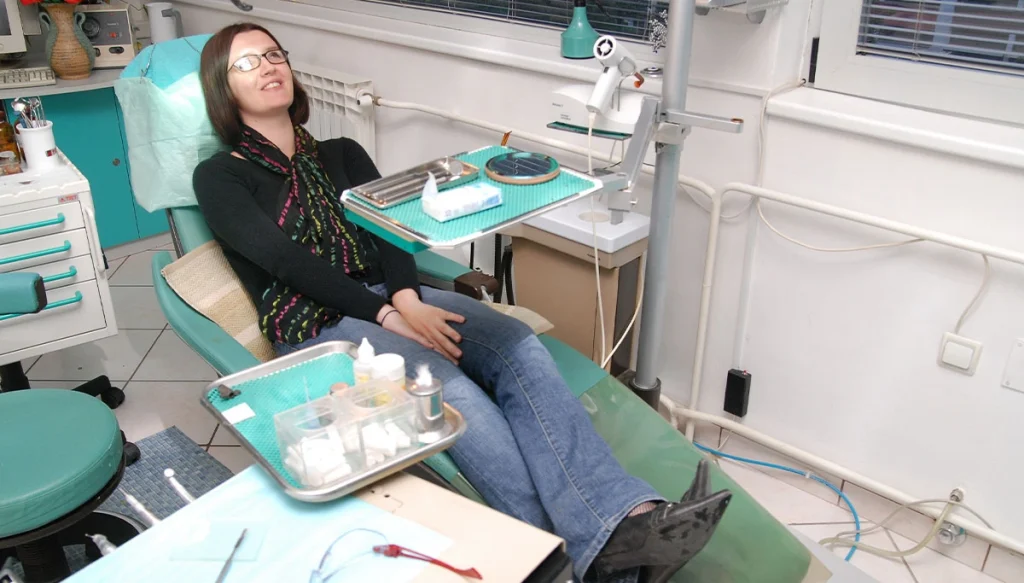
Dental crowns are often the preferred option when a tooth has significant damage, deep cracks, or a high risk of further fracture. They’re also commonly placed after root canal treatments to reinforce and protect the tooth. This is because crowns cover the entire tooth, making them the most durable treatment.
Frequently Asked Questions About Dental Crowns
In this section we answer FAQs about longevity, how to care for dental care, crown repair, and other important questions regarding this dental treatment.
Are Dental Crowns Permanent?
No, dental crowns aren’t always permanent. However, with the proper care, they can last a long time. This starts with having a properly-fitted crown, as it can lead to bacterial buildup, causing tooth decay. Proper brushing and flossing help elongate the time a crown lasts, on average you can expect 5-10 years from your crown.
How Do I Care For My Dental Crown?
A dental crown is cared for just like any other natural tooth. A good at-home oral hygiene routine helps it last longer. When flossing, slide the floss out instead of allowing the floss to snap to prevent loosening the crown. This can lead to food being trapped around the tooth, causing decay in the adjacent teeth. Brush at least twice a day after meals.
What if I Think My Crown Needs Repair?
While most crowns last a long time, sometimes problems do occur. If your crown breaks, chips, or even falls off, it’s important to see your dentist as soon as possible. If the crown is only slightly chipped, you can expect minor repairs However, if the damage is substantial, a new crown must be made to replace the damaged one.
What if I Have Ongoing Pain After Getting a Crown?
Any pain you experience from a dental crown that lasts more than a few days and is moderate to severe should be addressed. Sometimes a toothache occurs where the tooth’s nerve is inflamed because of biting force, trauma, a fracture, or tooth decay underneath the crown. When this occurs, sometimes a root canal is necessary or, in severe cases, an extraction.
Does Insurance Cover Dental Crowns?
When used for restorative reasons and not cosmetic, dental crowns are typically covered by insurance. A professional dental office will submit all dental insurance forms for you to help you use your benefits. For those without insurance, Care Credit, a financing program, helps you pay for dental care with a payment plan.
Learn Whether Dental Crowns or Fillings Are Right For You
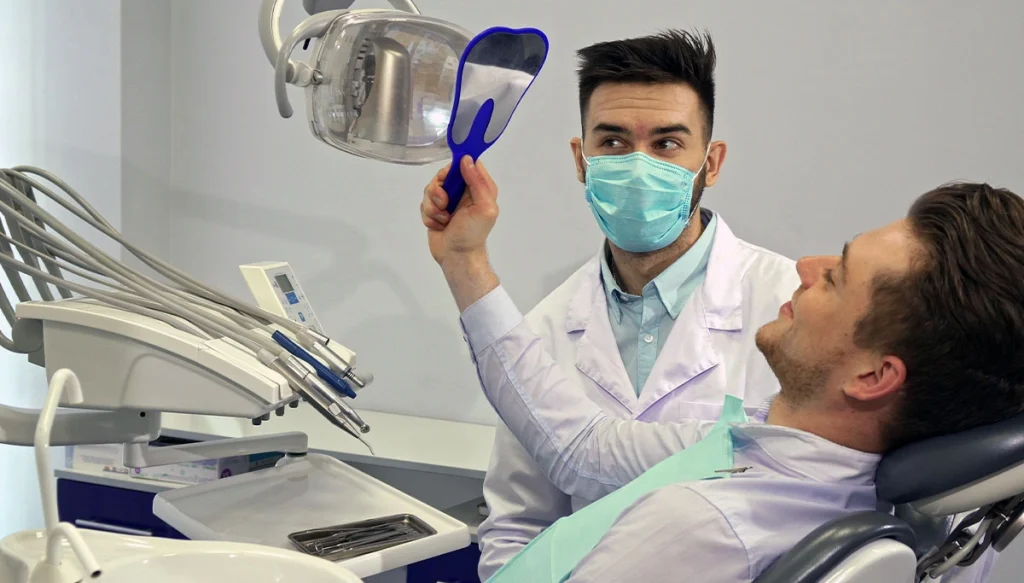
At Eriks Dental Group, our team is committed to providing personalized dental care in a comfortable setting for patients in Boynton Beach. We believe oral health plays a key role in overall wellness. Routine dental visits are essential , as early detection helps prevent more serious issues.
To schedule an appointment, call our dental office at 561-733-4004 or request an appointment online.